Transform Your Business With Creative Commercial Architecture Solutions
Forward-thinking commercial architecture serves a critical function in driving business success. By seamlessly integrating functionality with aesthetics, it enhances both productivity and brand identity. Green design strategies not only decrease operational costs but also cultivate healthier workplace settings. As businesses evolve, so do their spatial needs. Understanding how architecture influences these dynamics can reveal new potential for growth and collaboration. The following insights will explore these themes further.
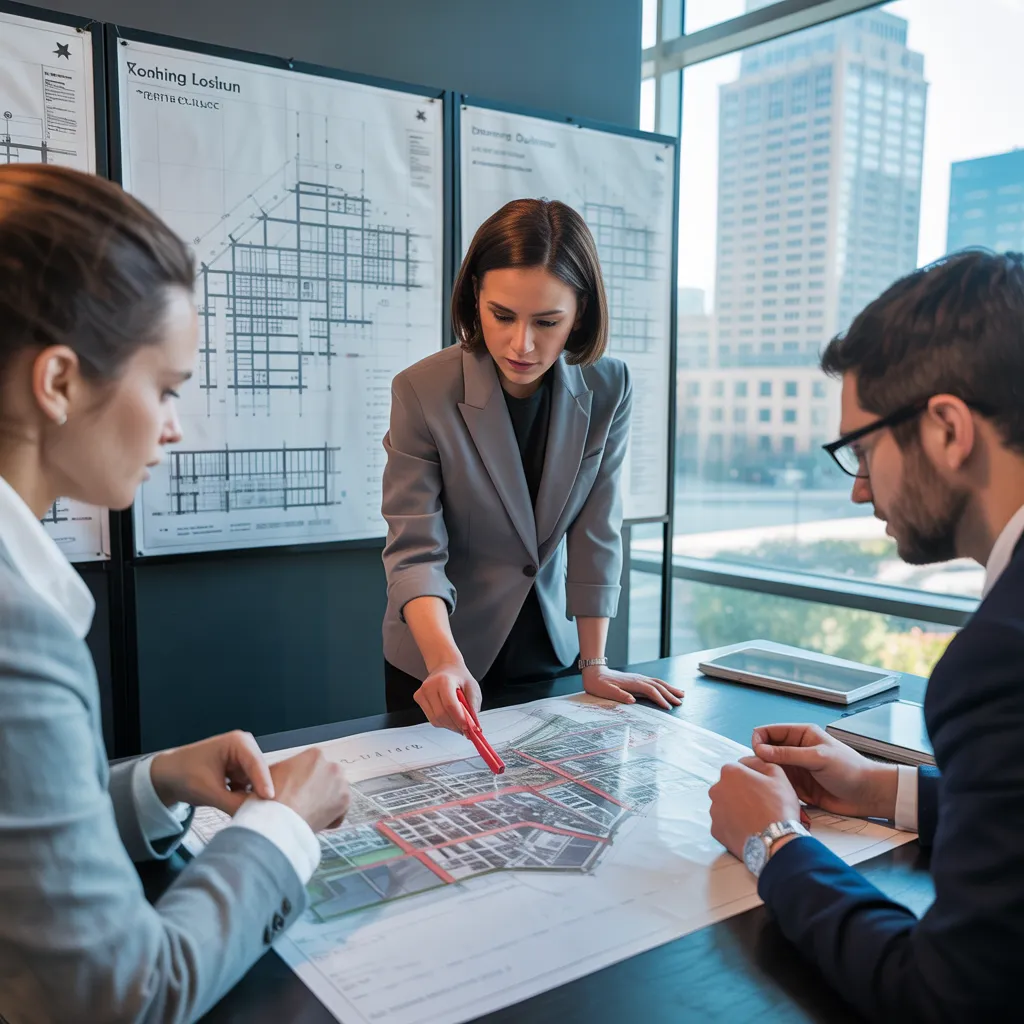
Why Your Business Needs Innovative Commercial Architecture
Revolutionary commercial architecture revolutionizes the way businesses interact with and function within their built spaces. This design strategy prioritizes not just appearance but purposeful design, cultivating spaces that improve efficiency and teamwork. By integrating sustainable practices and advanced technologies, enterprises can cut operational overhead while engaging eco-minded customers.
Moreover, original design concepts build memorable brand identities that appeal to customers and improve team morale. The configuration of a work environment can greatly impact operational flow and ingenuity, making cutting-edge architecture essential for staying competitive in the modern marketplace.
As organizations develop, the necessity for versatile environments becomes critical. Modern commercial architecture promotes adaptability in spatial planning, addressing future development and evolving operational demands. Fundamentally, it provides a strategic advantage by harmonizing physical environments with broader business goals, ultimately propelling growth and cultivating a meaningful bond between the company and its surrounding community.
Essential Features of High-Impact Commercial Architecture
High-impact commercial architecture is characterized by several essential features that enhance both functionality and aesthetic appeal. Fundamental aspects include effective space planning that maximizes usability, eco-conscious design approaches that reduce environmental impact, and striking visual elements that appeal to and engage clients. Combined, these elements establish a vibrant environment that advances business goals and encourages a positive user experience.
Efficient Space Planning
Effective functional space planning transforms commercial architecture into a strategic asset for businesses. Through the prioritization of efficient layouts, it streamlines workflows and boosts productivity. This approach entails evaluating the unique requirements of a business and distributing space appropriately, guaranteeing that zones for collaboration, concentration, and storage are carefully planned. Effective commercial architecture features versatile spaces that adjust to evolving demands, permitting businesses to develop without costly structural changes. Additionally, intuitive navigation and accessibility are key components, fostering a positive environment for employees and clients alike. At its core, purposeful space planning not only enhances the utilization of square footage but valuable guide also cultivates a dynamic atmosphere that resonates with the brand's identity, driving overall business achievement and employee well-being.
Environmentally Conscious Design Strategies
Incorporating eco-conscious design principles is essential for modern commercial architecture, as it prioritizes environmental stewardship while enhancing the visual and practical attributes of a space. These practices often involve incorporating sustainable materials, maximizing energy conservation, and incorporating clean energy solutions. Additionally, green building designs promote water conservation and improved air quality through advanced airflow solutions and living roof systems. Adopting these measures not only reduces a building's carbon footprint but also lowers operational costs over time. Moreover, sustainable architecture fosters a improved living and working space for building users, contributing to greater output and overall wellness. As organizations acknowledge the significance of environmental accountability, embracing green building standards becomes a crucial aspect of effective commercial construction, harmonizing business interests with sustainable practices.
Visually Appealing Aesthetics
A commitment to sustainable design practices often leads to a deeper understanding of aesthetic beauty in professional architectural design. This synergy creates spaces that not only fulfill functional requirements but also connect with their immediate context. Elements such as daylight, natural materials, and landscaped areas enrich a building's aesthetic quality, enhancing its visual impact. An aesthetically pleasing structure draws customers and fosters a positive environment for staff. Architectural features like unique facades, innovative layouts, and harmonious color schemes can greatly elevate a business's visual identity. At its core, embedding aesthetic qualities within green building designs not only highlights a devotion to sustainable practices but also confirms that the construction excels in a challenging market environment, thereby reinforcing the organization's identity and core values.
Choosing the Best Commercial Architecture Partner for Your Needs
What is the best way to find the ideal commercial architecture partner for their project? This process begins with establishing the specific needs and goals of the project. A thorough evaluation of candidate partners should include reviewing their portfolios, with emphasis on relevant experience and design style. Customer testimonials and professional references can shed light on their professional reliability and teamwork capabilities.
Next, examining the company's proficiency in applicable regulations and eco-friendly methods is essential. Communication and project management skills also play a significant role; a contractor should prove capable of communicate concepts effectively and ensure prompt status reports.
Financial compatibility is another key element, as clear pricing structures can avoid potential disputes. Participating in preliminary meetings provides insight into compatibility and reveals the firm's problem-solving methodology. Ultimately, selecting a commercial architecture partner involves a wide-ranging assessment of professional qualifications, interpersonal dynamics, and alignment with project aspirations.
Notable Design Case Studies in Commercial Architecture
Another striking example features a retail outlet that employed the principles of biophilic design, integrating natural lighting and plant life. This method enriched the customer experience while increasing foot traffic, leading to higher sales.
Moreover, a tech company's headquarters showcased an open workspace design that promoted interaction among employees, substantially boosting employee satisfaction and overall productivity. Such examples illustrate how intentional design choices can enhance companies, strengthen workplace functionality, and establish engaging atmospheres that connect with occupants, thereby fueling growth and success in the professional marketplace.
Why Sustainable Design Matters for Your Brand?
With numerous brands seeking to make their mark in a competitive landscape, embracing sustainable design practices can powerfully elevate their image and market presence. Businesses that place emphasis on green initiatives frequently appeal to environmentally aware customers, fostering loyalty and trust. Sustainable design not only reflects a brand's commitment to social responsibility but also sets it apart as a progressive pioneer in its respective field.
Furthermore, environmentally conscious construction frequently results in cost savings as a result of improved energy performance and decreased maintenance expenditures. This practical benefit reinforces the enhanced brand image, as consumers increasingly favor organizations that exhibit an authentic focus on environmental responsibility.
As regulations around environmental impact grow more stringent, businesses implementing eco-friendly design approaches can remain compliant with regulatory hurdles. In the end, adopting sustainable architectural practices acts as a forward-thinking investment, solidifying brand identity while resonating with a broader audience, thereby fostering sustained growth and significance in a rapidly evolving marketplace.
How Intentional Architecture Enhances Employee Productivity
A carefully planned workspace has a major impact on boosting employee productivity. Strategic architecture considers factors such as natural light, spatial layout, and sound management, which directly influence workplace efficiency. Offices that favor open layouts encourage collaboration, while reserved private spaces allow for focused work, achieving harmony between teamwork and individual tasks.
Integrating natural elements, such as greenery and exterior vistas, can minimize stress while enhancing creative thinking, ultimately enhancing overall productivity. Ergonomically designed furniture similarly supports staff comfort, minimizing exhaustion and encouraging extended periods of concentrated effort.
In addition, versatile work environments that accommodate different activities encourage innovation and collaboration. By recognizing and applying these architectural concepts, businesses can create environments that not only enhance productivity but also support employee well-being. At its core, dedicating resources to purposeful architectural planning is a forward-thinking strategy that links workforce satisfaction with company-wide success.
Upcoming Trends in Commercial Architecture to Keep an Eye On
What significant shifts are defining the future of commercial architecture? One significant trend is the increasing focus on sustainability. Architects are embedding green materials and energy-saving designs to lower carbon footprints and advance environmental stewardship. Moreover, biophilic design is becoming increasingly prominent, focusing on natural elements to improve well-being and efficiency within work environments.
Another remarkable trend is the emergence of dynamic and reconfigurable spaces. As companies grow and change, the need for versatile spaces that can easily be reconfigured is proving essential. This adaptability supports varied working methods and team collaboration.
Moreover, technological advancements, such as virtual reality and smart building systems, are revolutionizing construction and design processes. Such advancements equip architects to create spaces that are more efficient, responsive, and user-centric.
Frequently Asked Questions
What Are the Fees Connected to Innovative Commercial Architecture Services?
The expenses related to innovative commercial architecture services generally encompass design fees, materials, labor, permits, and project management. These costs may differ depending on location, project complexity, and individual client needs, affecting overall budgetary planning.
What Is the Average Timeframe for Completing a Commercial Architecture Project?
A typical commercial building project generally takes anywhere from six months to two years to finish, influenced by factors such as the complexity, scale, client demands, and regulatory requirements, which can greatly influence the timeline.
How Does Technology Shape Modern Commercial Architecture?
Technology considerably enhances modern commercial architecture by refining and accelerating design procedures, strengthening cooperative efforts through Building Information Modeling (BIM), facilitating accurate design simulations, and promoting environmentally responsible methods. These innovations progressively deliver greater efficiency, creativity, and affordability in architectural solutions.
Can Commercial Architecture Keep Up With Changing Business Needs Over Time?
Indeed, commercial architecture has the ability to accommodate shifting organizational demands as time progresses. By incorporating flexible designs, modular components, and the integration of modern technology, structures can be adjusted to support evolving requirements, providing sustained operational efficiency and relevance in a constantly evolving professional setting.
What Are the Advantages of Including Employees in the Design Process?
Engaging team members in the design process fosters cooperative efforts, increases morale, and encourages innovation. Their insights can result in workable outcomes, promoting a degree of ownership and elevating overall productivity within the workplace environment.